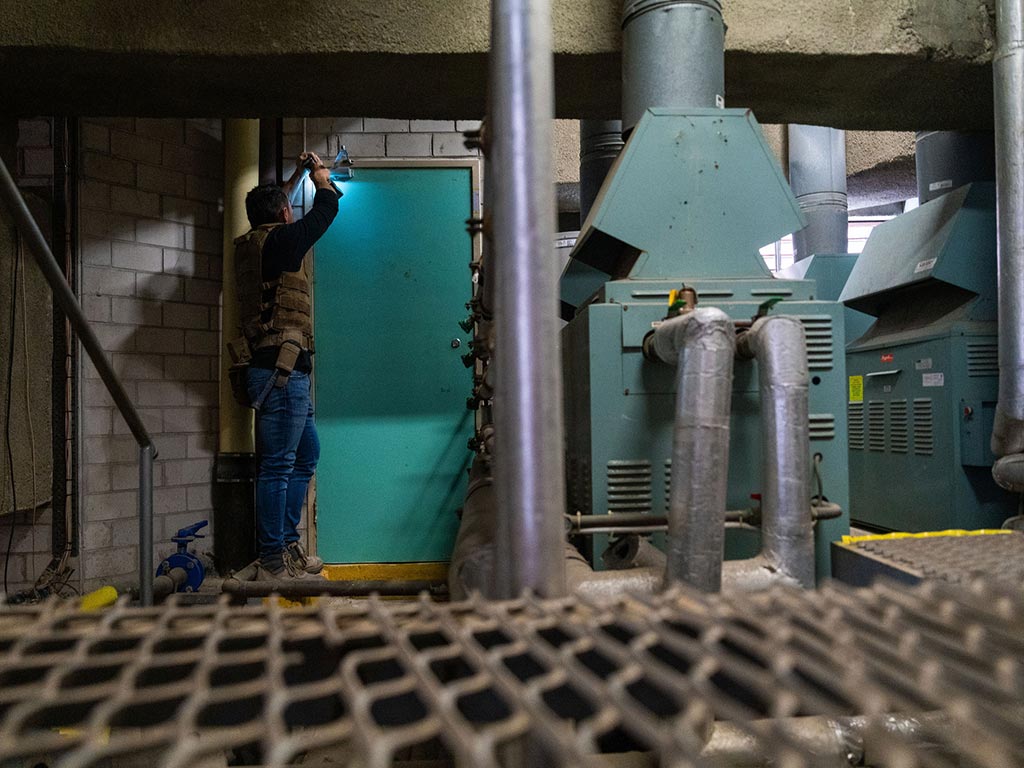

Fire Doors
Ash Passive Fire Solutions brings proven expertise in the supply, installation, and certification of fire-rated doorsets and frames across a wide range of building sectors. Our dedicated Fire Doors Division ensures full compliance with the National Construction Code (NCC) and relevant Australian Standards, providing end-to-end solutions that safeguard life safety and protect building assets.
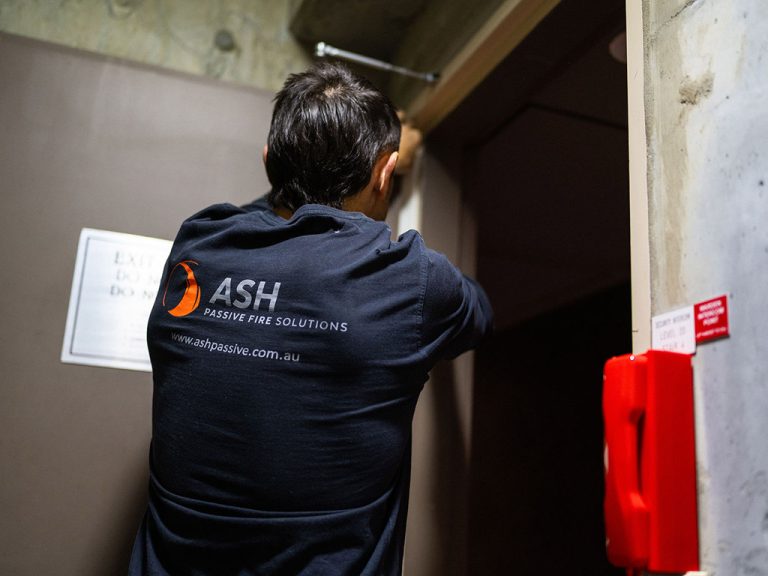
Fire Door Experts
We work closely with builders, asset managers, and facility owners to deliver tailored fire door packages that integrate seamlessly with overall fire protection strategies. From new installations to large-scale upgrades and refurbishments, our team manages the full lifecycle of fire doors.
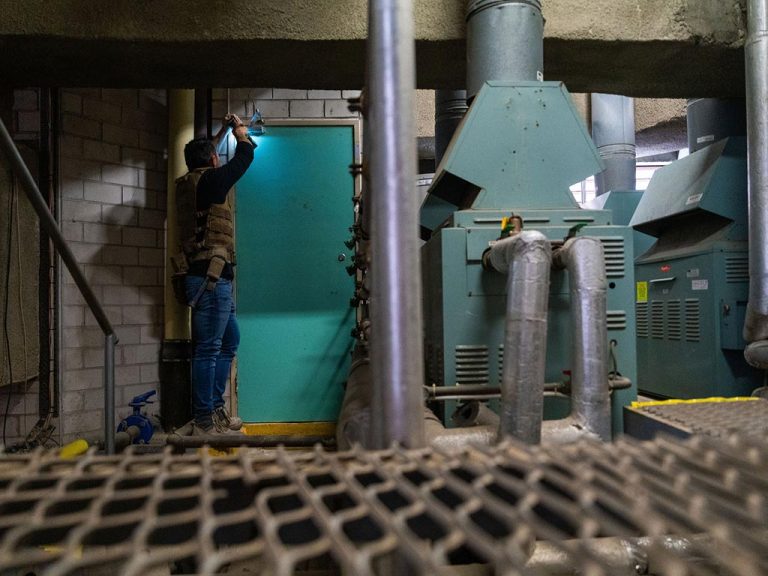
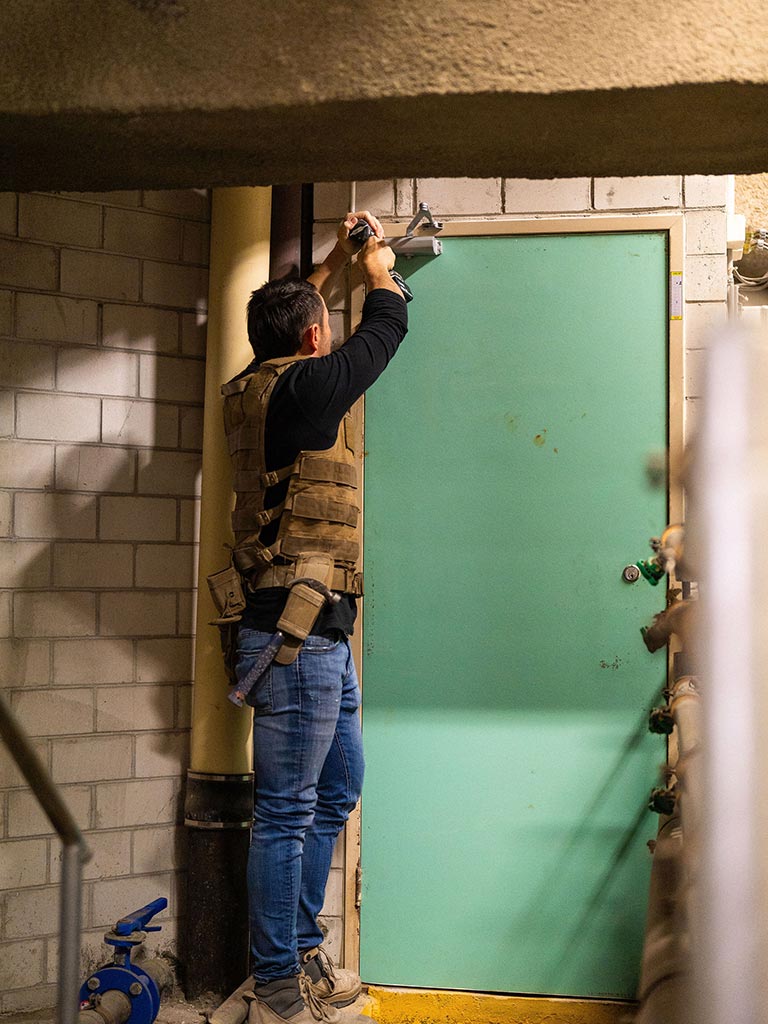
Installation of Fire Doors
Our approach emphasises quality, safety, and efficiency, supported by our established digital systems including Procore, Uptick, and SharePoint. These platforms allow for real-time reporting, transparent progress tracking, and reliable compliance documentation for every fire door installed or serviced. With a skilled workforce of trained installers and supervisors, Ash Passive Fire Solutions is equipped to deliver projects of all sizes, from residential developments and commercial towers to hospitals, schools, and infrastructure upgrades.
Installation
Proper installation of passive fire protection systems is crucial for the integrity and safety of any building. Our team of experienced professionals ensures that all installations meet the highest standards of quality and compliance.
Fire and Smoke Barriers:
Installation and certification of vertical and horizontal elements, including walls, floors, ceilings, access panels, and hatches, to prevent the spread of fire and smoke.
Structural Protection:
Safeguarding beams, columns, girders, trusses, and other structural components with appropriate fire-resistant materials to maintain structural integrity during a fire.
Fire-Resistant Doors and Shutters:
Supply, installation, and certification of fire-resistant doorsets (hinged, pivoted, and horizontal sliding), smoke doors, fire shutters, duct protection, and fire dampers to compartmentalize fire and restrict its spread.
Installation also includes the integration of fire doors, dampers, and fire-resistant glazing systems. These elements ensure that there are safe and accessible escape routes for occupants and also help in maintaining the structural integrity of the building during a fire.

Ash Passive Fire Solutions stands out in the industry due to our comprehensive approach to passive fire protection. Our extensive experience, coupled with a deep understanding of regulatory requirements, allows us to provide superior service that ensures safety and compliance.
With over 50 years of combined experience, Ash Passive Fire Solutions has developed a reputation for excellence in the passive fire protection industry. Our projects, such as the Sydney Airport and the Sydney Opera House, showcase our ability to handle complex installations with precision. We use only the highest quality materials and our compliance with the National Construction Code and Australian Standards is second to none.
The primary benefits of the professional installation of passive fire protection systems include enhanced safety, compliance with legal standards, and peace of mind, knowing that the property is protected against the spread of fire.
For businesses, the effective installation of passive fire protection systems is not just a regulatory requirement but a critical component of operational continuity. It ensures that in the event of a fire, the damage to the property is minimised, and the safety of employees and customers is maintained.
How Fire Doors Work
The installation process begins with a detailed assessment of the building’s design and the specific fire safety requirements it needs to meet. This assessment is followed by:
Step One
Supply & Installation
We provide certified fire-rated doors, frames, and hardware, ensuring professional installation by our trained teams.
Step Two
Inspection & Testing
Thorough inspections and testing of existing fire doors guarantee compliance and optimal performance.
Step Three
Maintenance & Upgrades
Comprehensive maintenance and timely upgrades extend the service life and uphold the validity of certification.
Step Four
Documentation & Certification
Detailed registers, photographic evidence, and compliance reports ensure full documentation and certification.
FAQs
Here, we address common questions about our Fire Door, covering everything from the types of systems we install to the certification processes we follow.
What is passive fire protection installation?
The installation of passive fire protection involves fitting buildings with systems and materials that prevent the spread of fire and smoke. This includes fire-resistant materials, compartmentalisation, fire doors, and fire-resistant glazing, enhancing structural integrity and occupant safety.
Why is passive fire protection installation important for businesses?
Effective installation of passive fire protection systems is crucial for operational continuity. It minimises property damage, ensures the safety of employees and customers, and demonstrates a commitment to safety and responsibility, enhancing the company’s reputation.
What does the installation process involve?
The installation process includes a detailed assessment of the building’s design and fire safety requirements, followed by tailored design, material selection, meticulous installation by skilled technicians, and rigorous inspection and certification to meet regulatory standards.
What types of materials are used in passive fire protection installation?
Fire-resistant materials such as intumescent coatings and firestop sealants are used. These materials withstand high temperatures and provide a physical barrier against fire spread. Fire doors, dampers, and fire-resistant glazing systems are also integrated.
How does compartmentalization work in passive fire protection?
Compartmentalisation involves dividing a building into smaller sections using fire-resistant walls and floors. Each compartment is designed to contain a fire at its point of origin, limiting its spread and impact, thereby enhancing overall fire safety.
What certifications are provided after installation?
After installation, the systems undergo inspection and certification to ensure they meet all regulatory standards and are fully operational. This certification confirms that the passive fire protection measures are compliant and effective.
How does Ash Passive Fire Solutions ensure quality during installation?
Ash Passive Fire Solutions adheres to strict quality control protocols throughout the installation process. The team conducts multiple quality checks and balances to ensure that every installation meets exacting standards and provides maximum protection.
What makes Ash Passive Fire Solutions stand out in the industry?
Ash Passive Fire Solutions stands out due to its comprehensive approach, extensive experience, and deep understanding of regulatory requirements. Projects like Sydney Airport and The Rum Store showcase the ability to handle complex installations with precision.
How does installation help businesses stay ahead?
Investing in high-quality passive fire protection installation sets businesses apart by demonstrating a commitment to safety and responsibility. It protects physical assets and enhances the company’s reputation as a safe and reliable place to work or conduct business.
What is the first step in the installation process?
The installation process begins with a detailed assessment of the building’s design and the specific fire safety requirements it needs to meet. This assessment informs the tailored fire protection solutions designed for the building.
Get Started with a fire Door installation Today
Ready to enhance the safety and integrity of your building with passive fire solutions?
Contact Ash Passive Fire Solutions today to schedule a consultation and see how our expert installation services can benefit your business.